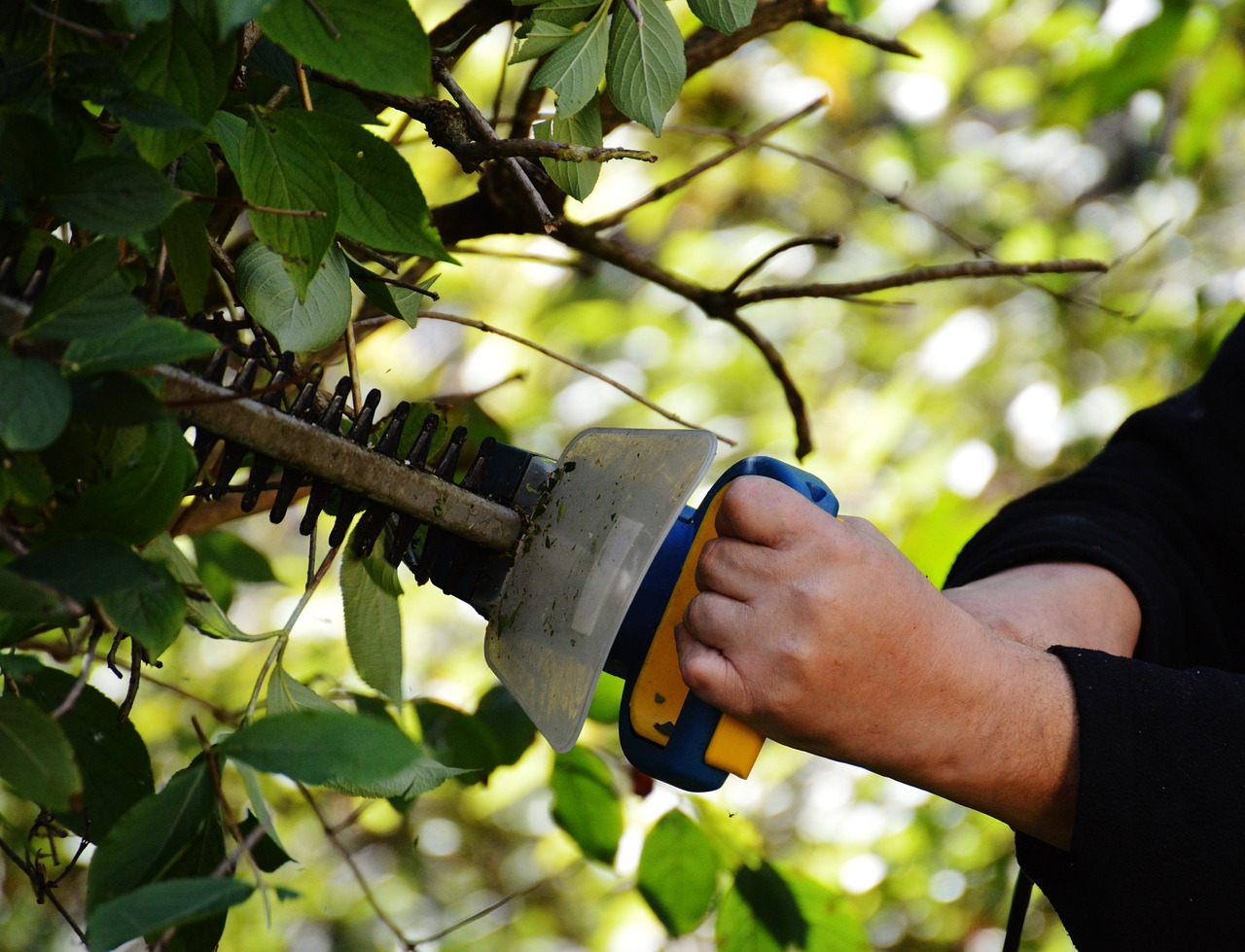
Weed burners offer an effective, chemical-free solution to the perennial problem of unwanted plants in your garden or driveway.
Especially popular in the UK for their environmental benefits, these tools utilise intense heat to eliminate weeds by destroying their cellular structure.
Whether you're a seasoned gardener or a DIY enthusiast, understanding how to use a weed burner can significantly enhance your garden maintenance routine.
This guide will walk you through everything you need to know about using a weed burner safely and effectively, tailored to the unique conditions of the UK climate, including tips specific to regions like Staffordshire.
Understanding Weed Burners
Weed burners, also known as flame weeders, are devices that use high temperatures to kill weeds. The intense heat causes the plant cells to burst, leading to the death of the weed. This method is particularly advantageous as it avoids the use of harmful chemicals, making it an eco-friendly choice for garden maintenance.
There are two main types of weed burners: gas-powered and electric. Gas-powered models are more common and typically use propane or butane. Electric versions are less common but are also effective. Both types are suitable for dealing with weeds on driveways, patios, and garden paths.
Preparing to Use a Weed Burner
Before you begin, it's crucial to ensure you have the right safety equipment. This includes heat-resistant gloves, protective eyewear, and sturdy footwear. Ensure your clothing is not flammable and that you have a fire extinguisher or a bucket of water nearby, just in case.
Choose a day when the weather is calm and dry. Windy or wet conditions can make the process less effective and potentially dangerous. In regions like Staffordshire, where rain is common, pick a dry spell for best results.
Step-by-Step Guide to Using a Weed Burner
Using a weed burner is straightforward, but requires careful attention to safety and technique. Follow these steps for effective weed control:
- Start with a test area: Choose a small section of your garden to test the weed burner. This will help you get a feel for the tool and how it affects different surfaces.
- Ignite the burner: For gas models, follow the manufacturer's instructions to safely ignite the burner. Electric models will typically have a simple on/off switch.
- Target the weeds: Hold the burner approximately 3-5 cm above the weed. Move the burner slowly over the plant until it wilts. You don't need to burn the weed to ash; the heat alone will damage the plant cells.
- Monitor your progress: Check the area after a few days. If weeds persist, repeat the process. Consistent use will yield better results.
Safety Precautions
Safety is paramount when using a weed burner. Always be vigilant and aware of your surroundings. Here are some key safety tips:
- Clear the area: Remove any flammable materials from the area you plan to treat.
- Stay alert: Never leave the burner unattended while in use.
- Use in daylight: Ensure good visibility to prevent accidents.
- Check restrictions: Be aware of local regulations regarding open flames, especially during dry spells or in fire-prone areas.
Tips for Effective Use in the UK Climate
The UK climate presents unique challenges for gardeners. Here are some tailored tips for using a weed burner effectively in these conditions:
- Timing is key: Use the burner during dry periods. Avoid using during or immediately after rain, as the moisture can protect the weeds.
- Frequent checks: Regularly inspect your garden for new weed growth, particularly during the growing season (spring and summer).
- Regional considerations: In areas like Staffordshire, where weather can be unpredictable, take advantage of longer dry spells for weed burning sessions.
Environmental Considerations
Using a weed burner is more environmentally friendly compared to chemical herbicides. However, it's important to consider the impact of gas-powered models. Here are some tips to minimise environmental impact:
- Use sparingly: Limit the frequency of use to essential times.
- Consider electric models: If available, electric weed burners may have a smaller carbon footprint.
- Dispose of gas canisters responsibly: Follow local guidelines for the disposal of propane or butane canisters.
Maintaining Your Weed Burner
Proper maintenance of your weed burner is essential for safety and efficiency. Here's how to keep it in top condition:
- Regular cleaning: After each use, allow the burner to cool before cleaning the nozzle and checking for blockages.
- Inspect for damage: Regularly check hoses and connections for any signs of wear or leaks.
- Store safely: Store in a dry, secure place away from children and pets.
Common Mistakes to Avoid
Even experienced users can make mistakes with weed burners. Avoid these common pitfalls:
- Overheating the area: Remember that you only need to wilt the weed, not incinerate it.
- Ignoring safety gear: Always wear appropriate protective clothing.
- Using in high winds: This increases the risk of fire spreading.
Alternatives to Weed Burning
If a weed burner isn't suitable for your needs or location, consider these alternatives:
- Manual weeding: Hand pulling or using a hoe can be effective for small areas.
- Mulching: Use organic mulch to suppress weed growth.
- Boiling water: Pouring boiling water over weeds can be an effective, chemical-free solution.