Laurels are a popular choice for hedges and garden screens in the UK, known for their lush green foliage and hardy nature.
Whether you're in Staffordshire or elsewhere in the UK, you can enhance their growth with a few strategic techniques.
This guide explores proven methods to encourage faster laurel growth, ensuring your garden looks vibrant and full in no time.
Understanding Laurel Varieties
Laurels come in several varieties, each with unique characteristics. Common types in the UK include Cherry Laurel, Portuguese Laurel, and Bay Laurel. Understanding your laurel's specific needs can significantly impact growth rates.
Cherry Laurel
Known for its rapid growth, Cherry Laurel is ideal for creating dense hedges quickly. It thrives in a variety of soil types and conditions.
Portuguese Laurel
This variety grows slightly slower but offers a more refined appearance with smaller, darker leaves.
Bay Laurel
Often used in culinary applications, Bay Laurel grows slower than its counterparts but provides aromatic leaves and attractive foliage.
Optimising Soil Conditions
Proper soil preparation is crucial for stimulating laurel growth. Laurels prefer well-drained, fertile soil. Conduct a soil test to determine pH levels and nutrient content.
Improving Drainage
To enhance drainage, consider mixing in organic matter such as compost or well-rotted manure.
Adjusting Soil pH
Laurels thrive in slightly acidic to neutral pH (6.0-7.0). If needed, amend the soil with lime to raise the pH or sulphur to lower it.
Watering Techniques for Faster Growth
Consistent watering is vital, especially in the first few years after planting. Laurels require regular moisture but avoid waterlogging.
Establishing a Watering Schedule
Water newly planted laurels twice a week during dry spells. Reduce to once a week as they establish, ensuring deep soaking.
Using Mulch
Apply a layer of mulch around the base to retain moisture and suppress weeds.
Feeding Your Laurels
Nutrient-rich soil is essential for growth. Feed laurels with a balanced fertiliser in early spring and again in mid-summer.
Choosing the Right Fertiliser
Opt for a general-purpose fertiliser with equal parts nitrogen, phosphorus, and potassium.
Application Tips
Apply fertiliser evenly around the base, taking care to avoid direct contact with stems and leaves.
Pruning for Vigour
Regular pruning encourages bushier growth and prevents legginess. Prune in late winter or early spring before new growth begins.
Tools and Techniques
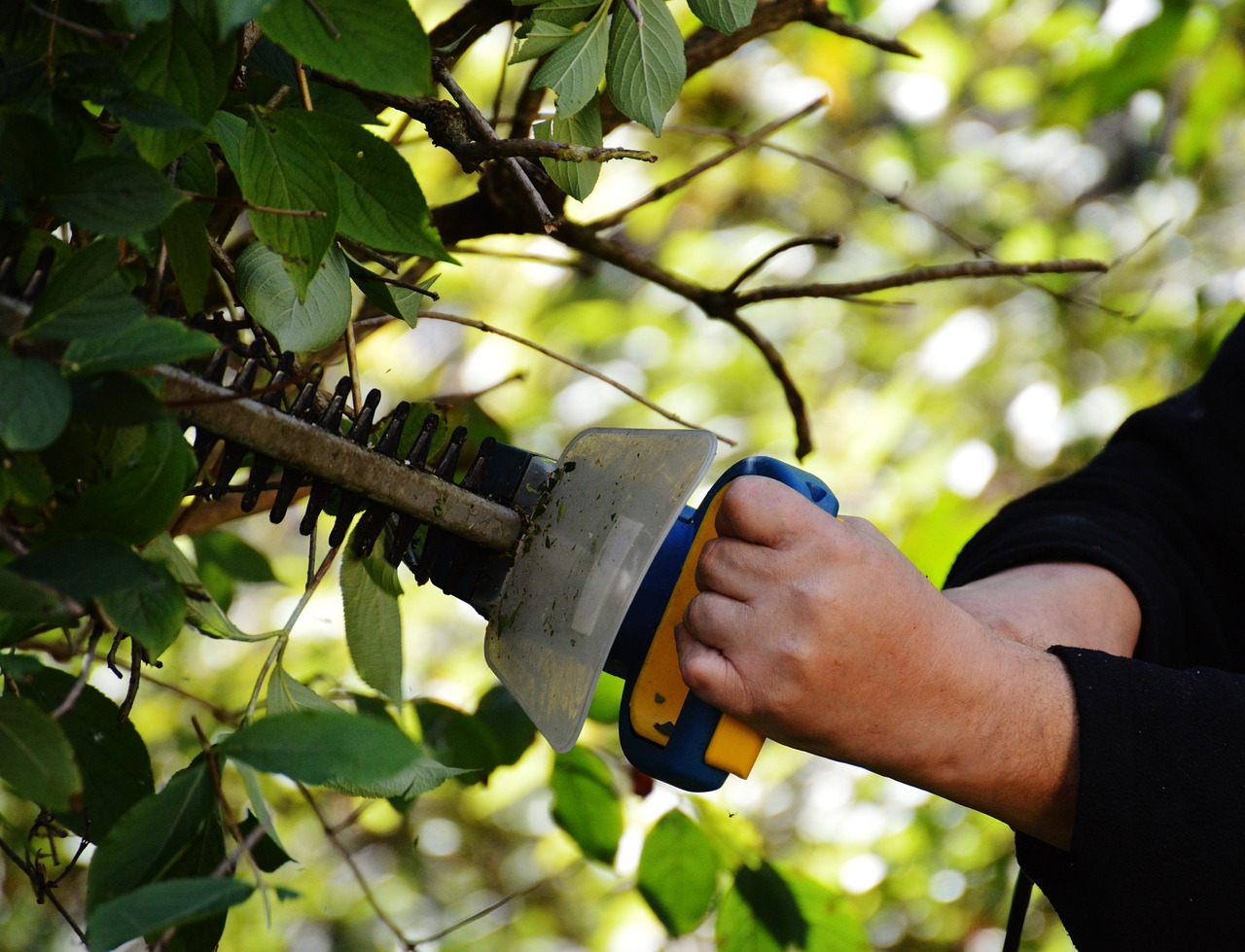
Use clean, sharp secateurs or hedge trimmers. Trim back new shoots by about a third to promote branching.
Dealing with Pests and Diseases
Healthy laurels are less susceptible to pests and diseases. Watch out for common issues such as powdery mildew and aphids.
Preventative Measures
Maintain good air circulation around plants and avoid overhead watering to reduce mildew risk.
Pest Control
Introduce beneficial insects like ladybirds or use organic sprays to manage aphid populations.
Leveraging the UK Climate
The UK climate is generally favourable for laurels, but understanding regional nuances can enhance growth. In Staffordshire, for example, winters can be cold, so consider providing protection against frost for young plants.
Weather Considerations
Monitor local weather forecasts and protect laurels with fleece or burlap wraps during severe cold snaps.
Planting and Spacing Tips
Proper planting techniques and spacing are crucial for optimal growth. Ensure laurels have enough room to spread both above and below ground.
Effective Spacing
Space laurels approximately 60-90 cm apart to allow room for growth.
Planting Depth
Plant laurels at the same depth they were growing in their nursery pots, ensuring the root ball is covered but not buried too deep.